Gear News

RCUK’s Turbo Trainer buyer’s guide

Trainer Picure Doug RCUKs Turbo Trainer buyer’s guide

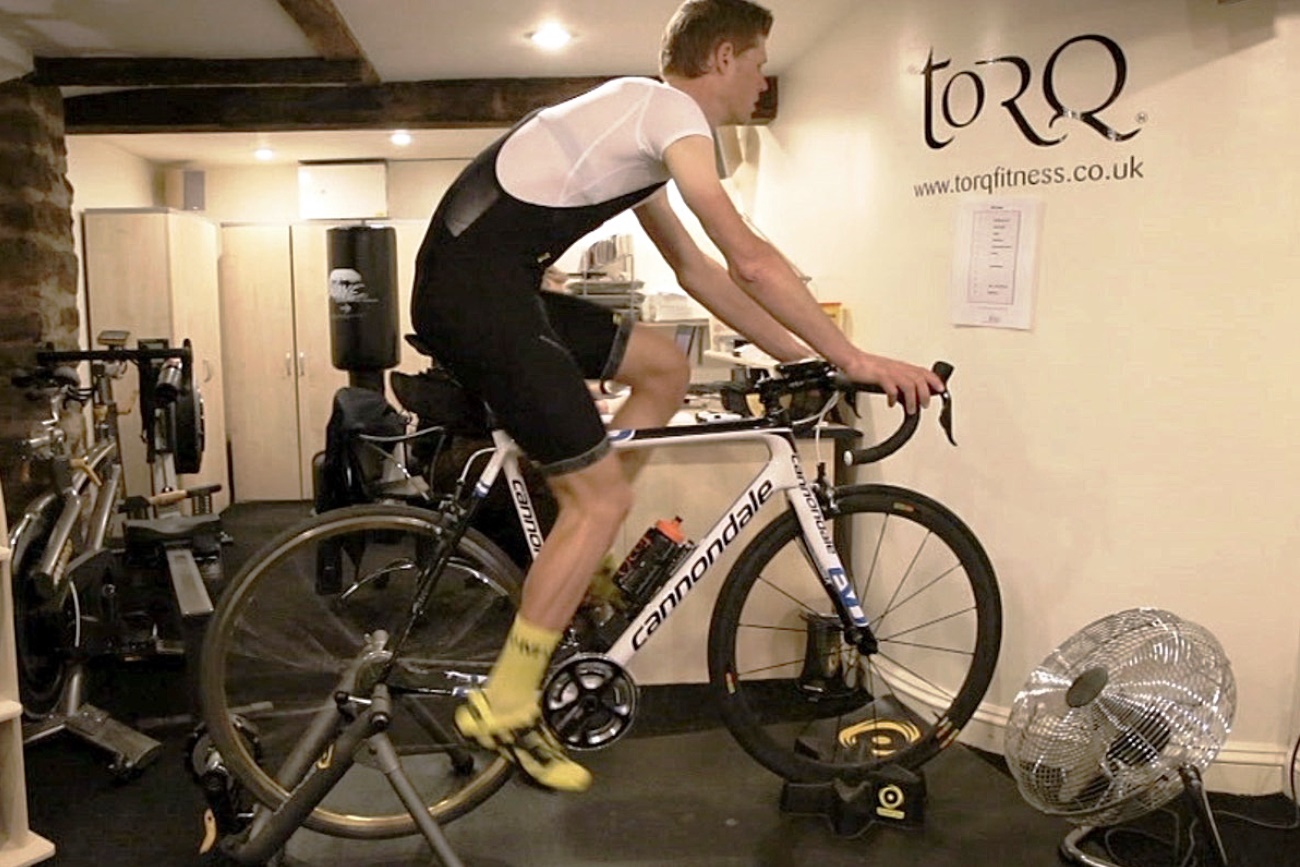
The current cold spell can only mean one thing: time to dust down the turbo trainer. While most will fill up with fear even at the shear mention of the two words, a turbo trainer can often be an essential training tool when the weather is just too grim to face.

Granted, there’s nothing like getting out on the road, and I’m very much an advocate for hitting the roads in all weathers, but sometimes indoor training can make a change from having to dive into your cycling wardrobe and come out wearing every single item of clothing before leaving your house.

So, if you’ve decided you want to keep up your base fitness over the following months and invest in a turbo trainer, here are a few pointers to help you through the many features and different models available.

Resistance unit

This is the most crucial component of a turbo trainer, and is where trainers vary a large amount. The type of resistance unit affects the feel of the ride, and the higher the specification the more natural they feel. The most common resistance units are listed below:

Air resistance – The original turbo trainer; ‘Turbo’ refers to the fan part of the machinery. Use a plastic fan to generate wind resistance. In fact they still live on in the market because They sound like Concorde taking off, which is the main reason they seem to have died out in the trainer market.

Large flywheel with friction – Used on spinning bikes in the main and the size and weight can be limiting. Spinning bikes are quiet and solid but very expensive and difficult to store.

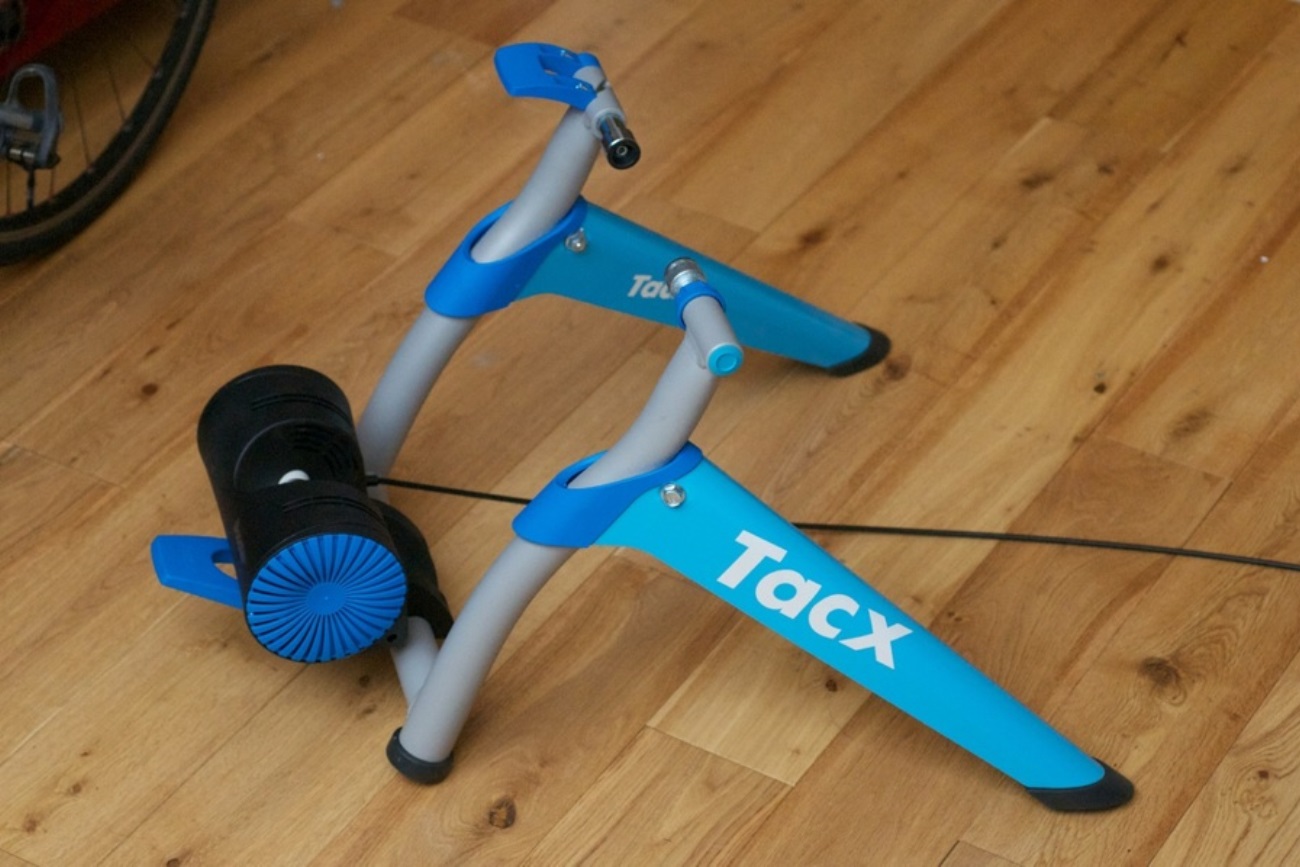
Fluid resistance – An impeller revolving in oil. Complicated ones have valves and resistance control via a handlebar mount. Quiet. Usually smooth, usually expensive too.

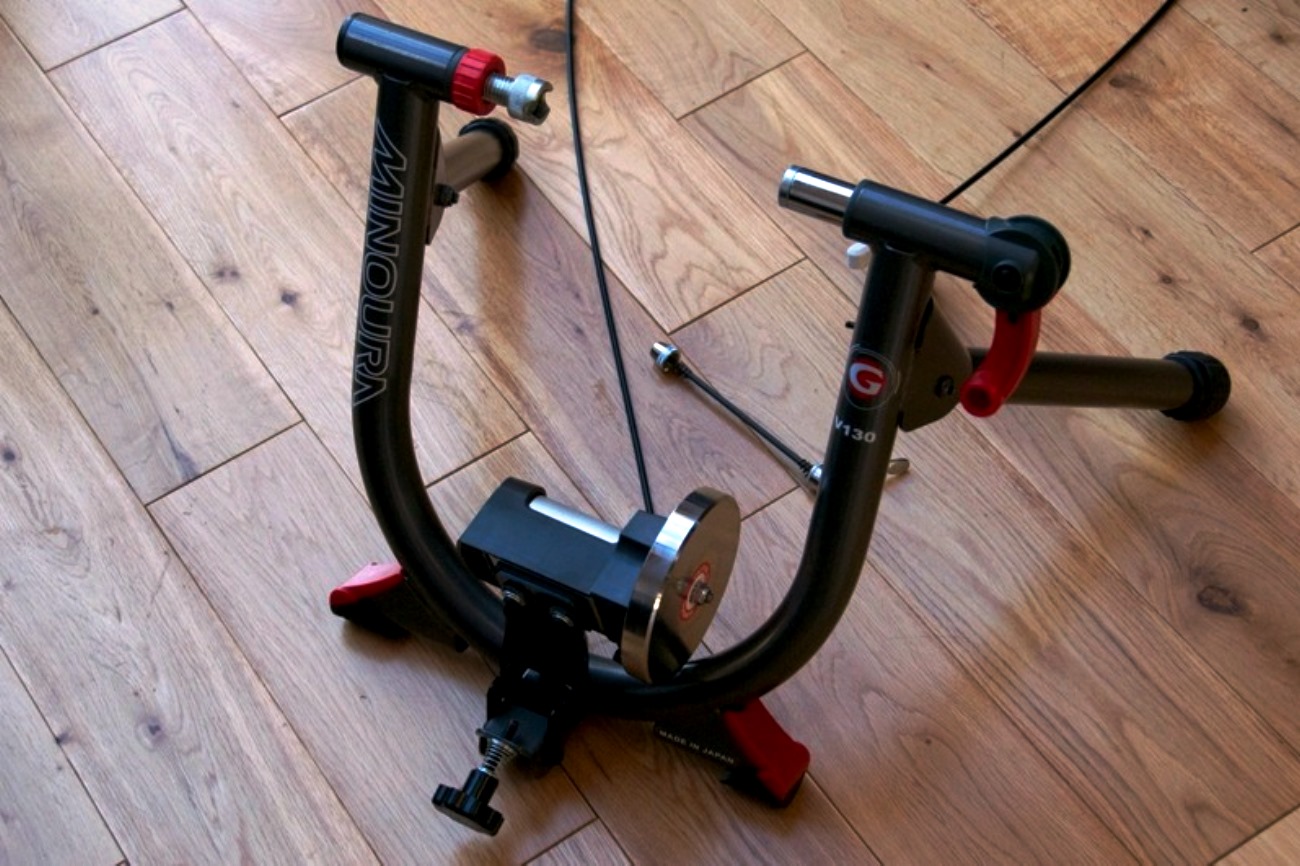
Magnetic resistance – These units use a metal plate spinning inside a magnetic field. A simple cable operated lever control at the handlebars moves the magnet to create more resistance. Most of the sophisticated electronic trainers use magnetic resistance, However they aren’t always as smooth as fluid trainers.

Electronically controlled – These are the latest breed of magnetic trainers and they offer the best control via an electro-magnet, but they come at a price. Now available with all sorts of computer simulations and add-ons to (try) to make indoor workouts a little more stimulating.

Adjusting the resistance

The very basic trainers won’t offer any resistance adjustment, relying on you changing your bicycle’s gears to make the going harder. Spend a little more however and you’ll find adjustable resistance, either on the unit or via a wired/wireless handlebar mounted lever. The more expensive models will offer a computerised control unit that offers far greater control over your session. Some will even hook up to a TV and provide a simulated ride of a favourite Tour stage or similar, adjusting the resistance as the road rises.

Frame

A turbo trainer will be supporting the combined weight of you and your bike, so it needs to be a solid unit that remains stable even during the most frantic of pedalling. Most frames will also fold up easily for storage so check for how easily it folds away.

Wheel mount

Turbo trainers clamp around the rear wheel skewer, and lock into place. The better models get ergonomic levers that make setting up a breeze, and many will come with a skewer designed to replace your bicycles standard skewer. Most trainers will also accommodate various sizes of wheels, and some feature a latch to bring the roller up against the wheel, saving you from having to set the roller each time you begin a session.

Noise

The degree of noise created will depend on the flavour of resistance unit; look for a trainer that boasts low noise levels if you intend to spend a lot of time on it. Be considerate of your family, house mates or neighbours if you don’t want to annoy them, and here such extras as mats and turbo-specific tyres can help dampen the noise generated.

Now get pedalling!